Image | AI-generated
Ending the Impression Illusion: Why 2026 B2B PR Happens in the Backroom
Anyone in 2026 who still burns their corporate communications budget on large, public social media marketplaces is essentially paying for autonomous AI bots to applaud posts written by other AI bots.
Marketing heads proudly display five-figure “impressions” on their dashboards while sales waits in vain for qualified inquiries. This is no coincidence; it is the final symptom of a structural flaw: the open web is burnt out as a space for B2B trust.
Between synthetic cookie-cutter content, automated scraping networks, and feeds whose algorithms penalize every external link with reach suppression, real decision-makers left the room long ago. Anyone wanting to make an impact in the future must understand why effective B2B PR tomorrow takes place in the digital “backroom.”
The Phantom Audience of Public Feeds
For over a decade, a single dogma ruled B2B marketing: visibility at all costs. Reach was declared the ultimate currency. But by the summer of 2026, the math no longer adds up.
When AI agents drop hundreds of trivial comments under technical articles within seconds and algorithms turn platforms into closed ad cages, the open web devolves into a deserted carnival.
The harsh reality in the B2B tech sector:
One million impressions from anonymous bots generate zero dollars in pipeline. Fifty targeted contacts with real CTOs, CISOs, or heads of engineering in a closed room secure the year’s business.
The chase for public megaphone reach created an illusion. B2B purchasing decisions—especially for complex software and industrial solutions—were never made in the noisy marketplace. They happen where trust resides: in Dark Social.
The Flight to “Dark Social”: Where the Real Decision-Makers Sit
“Dark Social” describes all digital communication channels that remain invisible to public search engines, algorithms, and analytics tools. It is the digital lounge where decision-makers connect without the constant noise of social feeds.
CEOs, CISOs, and heads of development actively seek noise-free spaces today. They no longer ask the public LinkedIn bubble for recommendations, but rather their peer group in a closed Slack channel.
Anyone thinking strategically about B2B PR in 2026 must shift their presence directly into these spaces:
- Curated Specialist Communities: Closed Slack environments, Discord servers, or exclusive industry forums replace uncontrollable comment sections.
- Niche Newsletters with Purpose: Specialized email formats that do not act as ad-slingers, but deliver real editorial value.
- Direct Messaging & Private Channels: WhatsApp channels or Signal groups as direct, highly relevant connections to existing partners and key accounts.
Three Pillars for Your B2B Backroom Strategy
Retreating from noisy feeds does not mean retreating from communication. On the contrary: it demands significantly higher content structure and editorial quality.
1. Quality and Access Over Vanity Metrics
Stop optimizing your content for algorithms. Write for human beings. 150 qualified subscribers to a highly specialized niche newsletter who actually read and understand your analysis are far more valuable than 50,000 fleeting feed views.
2. Build Your Own Digital “Lounge”
Transform from a beggar on third-party platforms into a host of your own spaces. Provide clients and partners with a closed environment for genuine exchange, free from sales pressure, but packed with expertise. True communities are built on substance, not marketing slogans.
3. Leverage Micro-Influencers and Trusted Peers
Decision-makers listen to recommendations from trusted industry peers at eye level. Instead of broad B2B campaigns, engage in targeted collaborations with respected figures recognized as technical authorities within niche communities.
Conclusion: Trust Requires Protected Spaces
The era of the loud, public B2B reach illusion is over. While most companies continue to burn their marketing budgets making the AI noise on the open web even louder, smart mid-market leaders are building reliable access to the private spaces of decision-makers.
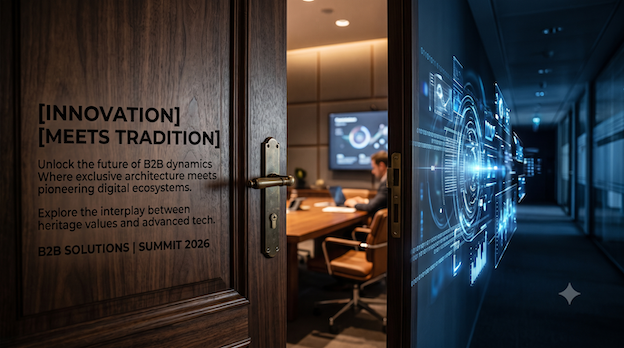
Let the algorithms outside stay among themselves. Open the backroom door, invite the right people to the table, and start having real conversations again, the kind that leads to real business.