Image | AI-generated
The End of Ghost Town Booths Part 1: The Runway – Why Trade Fair Success Is Decided six Months BEFORE the Event
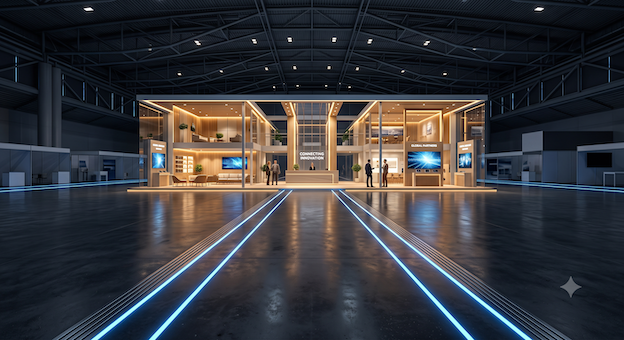
A hauntingly empty trade fair booth isn’t the result of a “bad show day” or an unfavorable location in Hall 7. It is the logical outcome of delayed communication.
Many B2B companies make the exact same mistake: They invest tens or even hundreds of thousands of euros in booth architecture, exhibits, and travel expenses — yet only start informing their audience a few days before the event opens.
Surveys by trade fair organizers paint a clear picture: Exhibitors who launch a strategic combination of PR and targeted advertising as early as 6 months prior to the event record significantly higher visitor numbers and higher-quality booth appointments than the competition.
So, if you want to eliminate chance from your sales process, you need a structured runway.
1. Three to six Months Before the Fair: Strategy, Foundation, and Long-Lead PR
This phase builds the foundation. Anyone who slumbers here misses the most important editorial deadlines of the trade press.
- Crystal-clear goal definition: What is the primary purpose of your appearance? Is it new customer acquisition, a specific product launch, or positioning yourself as a market leader?
- Build content infrastructure: Set up a dedicated trade fair landing page (including a tool for booking appointments), draft whitepapers, and prepare initial drafts for press releases.
- The six-month start for PR & Advertising: Early contact with trade press editorial teams (long lead times for special show issues!) combined with initial targeted ads and promotions on trade portals. This builds essential awareness before invitations are sent out.
2. One to three Months Before the Fair: The High-Gear Invitation Phase
Now marketing ramps up across all channels to actively draw your target audience to the booth.
- Personalized invitation campaigns: Send tailored mailings to existing clients and A-leads — complete with complimentary ticket codes and concrete reasons to stop by.
- Intensifying visibility: Scale ongoing advertising campaigns (e.g., LinkedIn or Google) and place special trade fair topics in online trade media.
- Booth staff briefing: Select the team and conduct initial briefings on conversation strategy, lead qualification, and digital data capture.
3. Two to four Weeks Before the Fair: The Final Appointment Sprint
A successful trade fair booth relies on booked calendars. Anyone relying on foot traffic on day one hasn’t done their homework.
- Active appointment booking: Sales reaches out directly to key accounts and promising prospects to line up calendar slots. Goal: The booth schedule should be 60 to 70% full before the doors open.
- Countdown & Frequency: Launch the social media countdown featuring previews of product highlights.
- Final press prep: Finalize digital press kits and confirm scheduled appointments with on-site journalists.
The Runway Determines Your ROI
A trade fair isn’t a spontaneous event; it’s the culmination of months of preparation. Paving the runway 6 months ahead with strategic PR and targeted marketing turns your booth from an empty shell into a high-traffic sales engine.
In the next part, you’ll learn why even crowded booths often miss the mark—and how to build a rock-solid foundation for your booth messaging.